
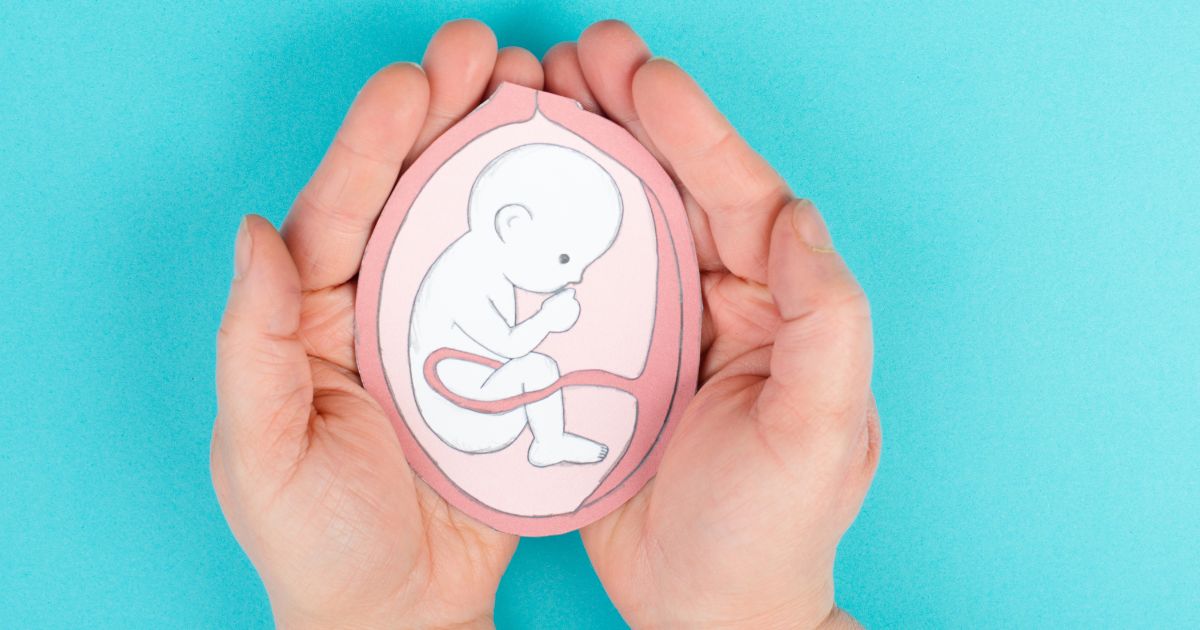
After your baby is born, the placenta is usually thrown away. But this remarkable organ, which nourished your baby for nine months, contains valuable cells and tissue. Placenta and amnion banking lets you preserve them at birth. Here’s what is stored and how the process works.
What can be stored?
The placenta has three parts that families can choose to preserve:
- The amnion (amniotic membrane): the thin inner layer of the sac that surrounded your baby. Amniotic membrane has been used in medicine for over a century. Surgeons first used it on burns and skin wounds in the early 1900s, and today it is widely used in eye surgery to help the surface of the eye heal. It has anti-inflammatory and anti-scarring properties.
- Placental cells (from the chorionic villi): tiny tree-like structures in the placenta that are rich in regenerative cells, including mesenchymal stem cells. Researchers are studying these cells for conditions involving inflammation and tissue repair. These uses are still experimental.
- Maternal decidua: the maternal side of the placenta, the layer that develops from the mother’s uterus during pregnancy, where your body connects with your baby’s lifeline. This tissue is especially rich in stem cells and immune cells that are different from those found in cord blood or cord tissue. Early studies suggest decidua stem cells may have potential in regenerative medicine, vascular (blood vessel) health, inflammatory and autoimmune conditions, and bone and cartilage repair. These uses are still being researched.
Step 1: Sign up before your due date
Contact MedCells to ask about placenta and amnion banking. Our team will explain the options, answer your questions and help you choose what to store. Many families combine placenta banking with cord blood and cord tissue banking in one of our stem cell packages.
Step 2: Receive your collection kit
Once you’ve filled out the storage agreement, you’ll receive a collection kit. Keep it with your hospital bag and take it with you when you go into labour. Let your obstetrician or midwife know in advance that you’re banking the placenta.
Step 3: Collection after birth
When your baby is born, let the MedCells team know so our dedicated staff can collect the kit.
- After a normal birth, the placenta is usually delivered within about 30 minutes. Your midwife or doctor places it in the collection kit.
- After a caesarean section, the placenta is removed during the operation and placed in the kit.
Collection happens after your baby is born, using tissue that would otherwise be discarded. It doesn’t change your birth or your baby’s care.
Step 4: Processing and storage
Our dedicated staff take the kit to our storage lab. There, the tissue is checked, processed and frozen in liquid nitrogen at very low temperatures, where it can be stored for many years. We have storage labs in the UAE, UK, USA and South Africa. Learn more about how it works.
Step 5: If your family ever needs it
Your family keeps control of the stored sample. If a doctor recommends a treatment or a clinical trial that could use it, the sample can be released at your request.
Is placenta banking right for you?
Placenta banking is a personal choice. Uses of placental cells are mostly still in research, so it’s best seen as an addition to cord blood banking, which has established uses today. If you’d like to preserve as many options as possible for your child, storing the cord blood, cord tissue, placenta and amnion together gives the widest range of cell types.
Download your free info pack or contact our team to talk it through.
Frequently asked questions
What is placenta banking?
Placenta banking means collecting and freezing parts of the placenta after birth, such as the amniotic membrane and placental cells, so they’re available for possible future use.
Is placenta collection safe for my baby?
Yes. The placenta is collected after your baby is born, using tissue that would otherwise be thrown away. It doesn’t change your birth or your baby’s care.
Can I bank the placenta after a caesarean section?
Yes. The placenta is removed during the operation and placed in your collection kit.
Should I bank the placenta instead of cord blood?
It’s best seen as an addition to cord blood banking. Cord blood has established medical uses today, while most uses of placental cells are still in research.
Read next: Cord Blood Stem Cells: Real Stories and What They Mean for Parents
This article is for general information and isn’t medical advice.
Sources
- Amniotic membrane transplantation: structural and biological properties, tissue preparation, application and clinical indications. Eye, 2023.
- Parmar UPS, et al. Amniotic membrane transplantation for wound healing, tissue regeneration and immune modulation. Stem Cell Reviews and Reports, 2025.
- Ringdén O, Moll G, Gustafsson B, Sadeghi B. Mesenchymal stromal cells for enhancing hematopoietic engraftment and treatment of graft-versus-host disease, hemorrhages and acute respiratory distress syndrome. Frontiers in Immunology, 2022.
- Human decidua basalis mesenchymal stem/stromal cells protect endothelial cell functions from oxidative stress induced by hydrogen peroxide and monocytes. Stem Cell Research & Therapy, 2018.
- Baygan A, et al. Safety and side effects of using placenta-derived decidual stromal cells for graft-versus-host disease and hemorrhagic cystitis. Frontiers in Immunology, 2017.
- Restrained Th17 response and myeloid cell infiltration into the central nervous system by human decidua-derived mesenchymal stem cells during experimental autoimmune encephalomyelitis. Stem Cell Research & Therapy, 2016.
- Kusuma GD, et al. Ectopic bone formation by mesenchymal stem cells derived from human term placenta and the decidua. PLoS ONE, 2015.