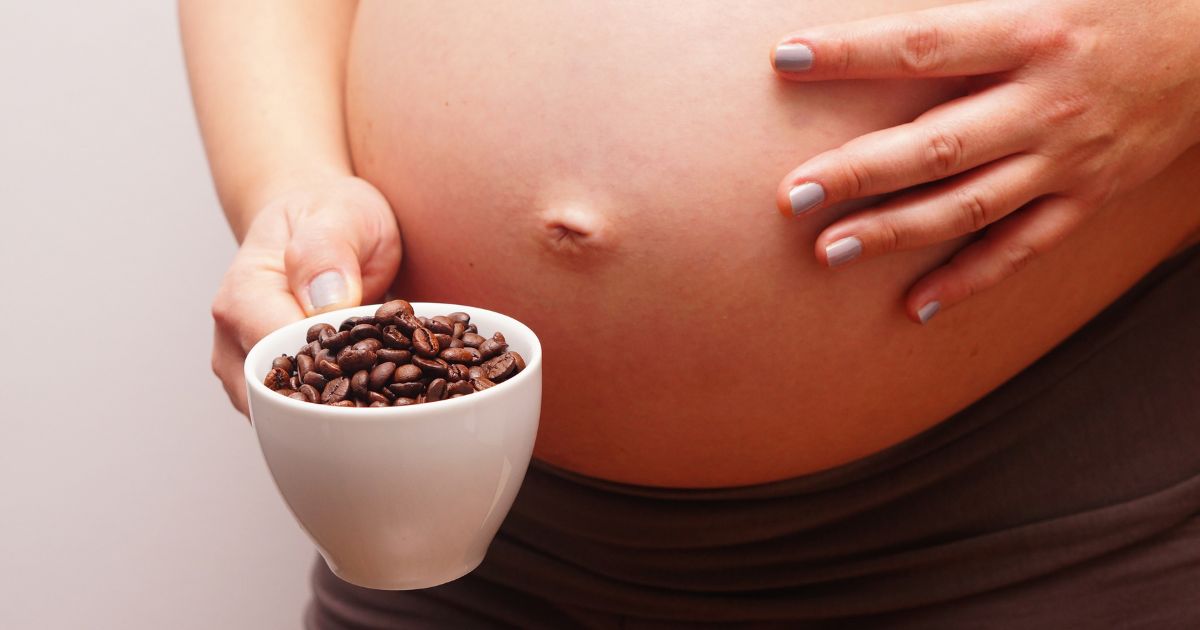
For many of us, the day starts with a coffee. If you’re pregnant, you may be wondering whether you need to give it up. The good news: most experts say you don’t have to cut caffeine out completely, but you should keep it within safe limits.
How much caffeine is safe during pregnancy?
The American College of Obstetricians and Gynecologists (ACOG) and the UK’s NHS advise keeping caffeine below 200 mg a day during pregnancy. That’s roughly one large mug of filter coffee.
Some recent studies suggest that even lower amounts are linked to slightly smaller babies, so if you’d like to be extra cautious, cutting down further or switching to decaf is a sensible choice.
Why limit caffeine?
- Caffeine crosses the placenta, and your baby can’t break it down well.
- Your body clears caffeine more slowly during pregnancy, so it stays in your system longer.
- High intakes are linked to a higher risk of low birth weight and, in some studies, miscarriage. The risk rises with the amount of caffeine.
How much caffeine is in your favourite drinks?
The amount varies by brand, brewing method and cup size, so these figures are approximate:
| Drink or food | Approximate caffeine |
|---|---|
| Mug of filter coffee | 140 mg |
| Mug of instant coffee | 100 mg |
| Shot of espresso | 60–80 mg |
| Small cup of Arabic coffee (gahwa) | varies widely with strength; count it as part of your daily total |
| Mug of black tea | 75 mg |
| Cup of green tea | 30–50 mg |
| Can of cola (330 ml) | 40 mg |
| Energy drink (250 ml) | 80 mg |
| Bar of dark chocolate (50 g) | up to 25 mg |
| Decaf coffee | 2–5 mg |
Remember that caffeine also hides in some soft drinks, iced teas, chocolate desserts, and cold and flu remedies. Energy drinks often contain other stimulants too and are best avoided in pregnancy.
Tips for cutting back
- Switch to half-caf or decaf for some of your daily cups.
- Choose smaller sizes when you buy coffee out.
- Try caffeine-free drinks, such as fruit-infused water, or herbal teas your doctor says are safe.
- Cut down gradually to avoid caffeine-withdrawal headaches.
- Read labels on soft drinks and medicines.
Taking care of you and your baby
Small daily choices like this make a big difference to your pregnancy. Another choice to think about before your due date is whether to save your baby’s cord blood, which can only be collected at birth. Download your free info pack to learn more.
Frequently asked questions
How much caffeine is safe when pregnant?
ACOG and the NHS advise keeping caffeine below 200 mg a day, roughly one large mug of filter coffee.
Is decaf coffee safe during pregnancy?
Yes. Decaf contains only about 2–5 mg of caffeine per cup, so it’s a good way to cut back.
Does tea have caffeine?
Yes. A mug of black tea has about 75 mg and a cup of green tea 30–50 mg, so count them in your daily total.
Are energy drinks safe in pregnancy?
They’re best avoided. They’re often high in caffeine and contain other stimulants.
Read next: Pregnancy in the Summer Heat · 12 Must-Have Items for Pregnant Women
This article is for general information and isn’t medical advice. Ask your doctor about what’s right for you.
Sources
- ACOG Committee Opinion No. 462: Moderate caffeine consumption during pregnancy. Obstetrics & Gynecology, 2010 (reaffirmed).
- NHS. Foods to avoid in pregnancy.
- Gleason JL, et al. Association between maternal caffeine consumption and metabolism and neonatal anthropometry. JAMA Network Open, 2021.