
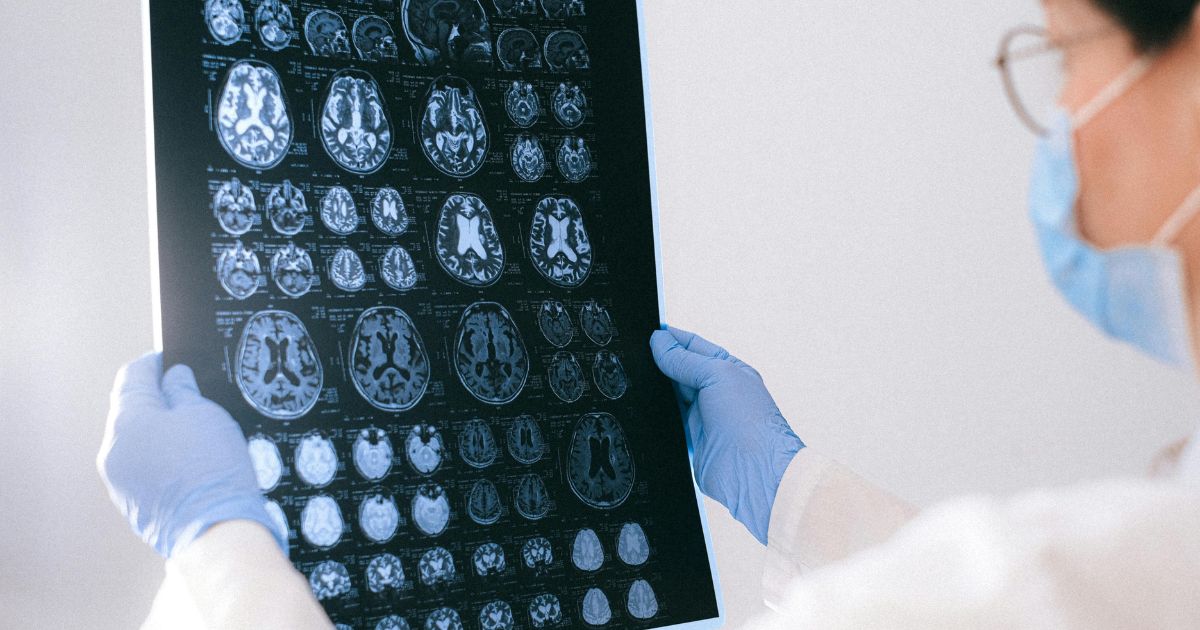
Parkinson’s disease affects millions of people worldwide, and there is still no cure. But 2025 brought some of the most encouraging news in decades: two clinical trials, published in Nature, showed that stem cell-derived brain cells can survive and produce dopamine in people with Parkinson’s.
What happens in Parkinson’s disease?
Parkinson’s develops when nerve cells that produce dopamine gradually die. Dopamine is a chemical messenger the brain needs to control movement. As levels fall, people experience tremors, stiffness and slow movement, and often sleep problems, loss of smell and low mood.
Today’s medicines and treatments can manage symptoms well for years, but they don’t replace the lost cells. That’s where stem cells come in.
The idea: replace the lost cells
Stem cells can be turned into almost any cell type in the lab, including dopamine-producing neurons. The goal is to transplant these new cells into the brain so they take over the job of the cells that were lost.
Trial 1: bemdaneprocel (USA and Canada)
In a phase I trial led by Memorial Sloan Kettering Cancer Center and developed by BlueRock Therapeutics, 12 people with Parkinson’s received transplants of dopamine nerve cell precursors made from embryonic stem cells.
- After 18 months, the treatment was safe, with no serious side effects caused by the cells.
- Brain scans showed the transplanted cells had survived.
- People who received the higher dose showed improvements in movement symptoms when off their medication.
The results were strong enough for the US FDA to allow the therapy to move straight to a phase III trial, exPDite-2, which began in 2025 with around 100 participants and a placebo comparison. Results are expected around 2027.
Trial 2: iPS cells (Kyoto, Japan)
At Kyoto University Hospital, 7 people aged 50–69 received dopamine cell precursors made from induced pluripotent stem (iPS) cells. These are adult cells reprogrammed to behave like stem cells.
- The cells survived and produced dopamine. Brain scans showed dopamine activity rose by about 45%.
- No tumours formed, an important safety concern for this type of therapy.
- Several patients showed improvements in movement.
What about stem cell clinics abroad?
Some people with Parkinson’s, including public figures such as the late Ozzy Osbourne, have travelled abroad for stem cell treatments at private clinics. Personal reports can be hopeful, but they aren’t the same as evidence from controlled trials. If you or a loved one is considering stem cell treatment, look for registered clinical trials and talk to a neurologist first.
What this means for the future
These trials are early and small, and larger studies must confirm the results. But they mark a turning point: for the first time, lab-grown cells have been shown to survive in the human brain, produce dopamine and remain safe for up to two years.
Research into other cell types, including mesenchymal stem cells from umbilical cord tissue, is also under way for brain conditions. Most of that work is still at an early stage.
Preserving your baby’s stem cells
Your baby’s cord blood and cord tissue are rich sources of young of stem cells that can only be collected at birth. They are currently being used to treat over 80 medical conditions including blood disorders and metabolic disorders. Learn more about stem cell basics or download your free info pack.
Frequently asked questions
Can stem cells cure Parkinson’s disease?
Not yet. Two 2025 trials showed lab-grown dopamine cells can survive in the brain and appear safe, but larger trials are needed to prove they work.
What is bemdaneprocel?
It’s an investigational cell therapy made from embryonic stem cells that develop into dopamine-producing neurons. It has moved into a phase III trial.
What are iPS cells?
Induced pluripotent stem (iPS) cells are adult cells reprogrammed in the lab to behave like stem cells. In the Kyoto trial, iPS-derived cells survived, produced dopamine and did not form tumours.
Are stem cell clinics abroad safe for Parkinson’s?
Personal reports aren’t the same as evidence from controlled trials. Look for registered clinical trials and talk to a neurologist first.
Read next: Stem Cells and Autism: What the Research Really Shows · Using Umbilical Cord Blood for Regenerative Medicine
This article is for general information and isn’t medical advice.
Sources
- Tabar V, et al. Phase I trial of hES cell-derived dopaminergic neurons for Parkinson’s disease. Nature, 2025.
- Sawamoto N, et al. Phase I/II trial of iPS-cell-derived dopaminergic cells for Parkinson’s disease. Nature, 2025.
- BlueRock Therapeutics (Bayer). Publication in Nature of 18-month data from phase 1 trial of bemdaneprocel. April 2025.